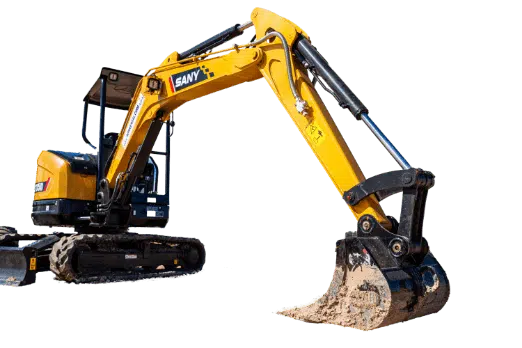





A trench is a narrow, deep cut in the ground. The depth exceeds its width, which usually stays under 15 feet. These excavations stand apart from regular ones because they go deeper than their width. This difference plays a big role in project safety. AOS Rental knows how much proper trenching equipment and safety protocols matter for your construction projects.
What Is a Trench and How Is It Different from Excavation?
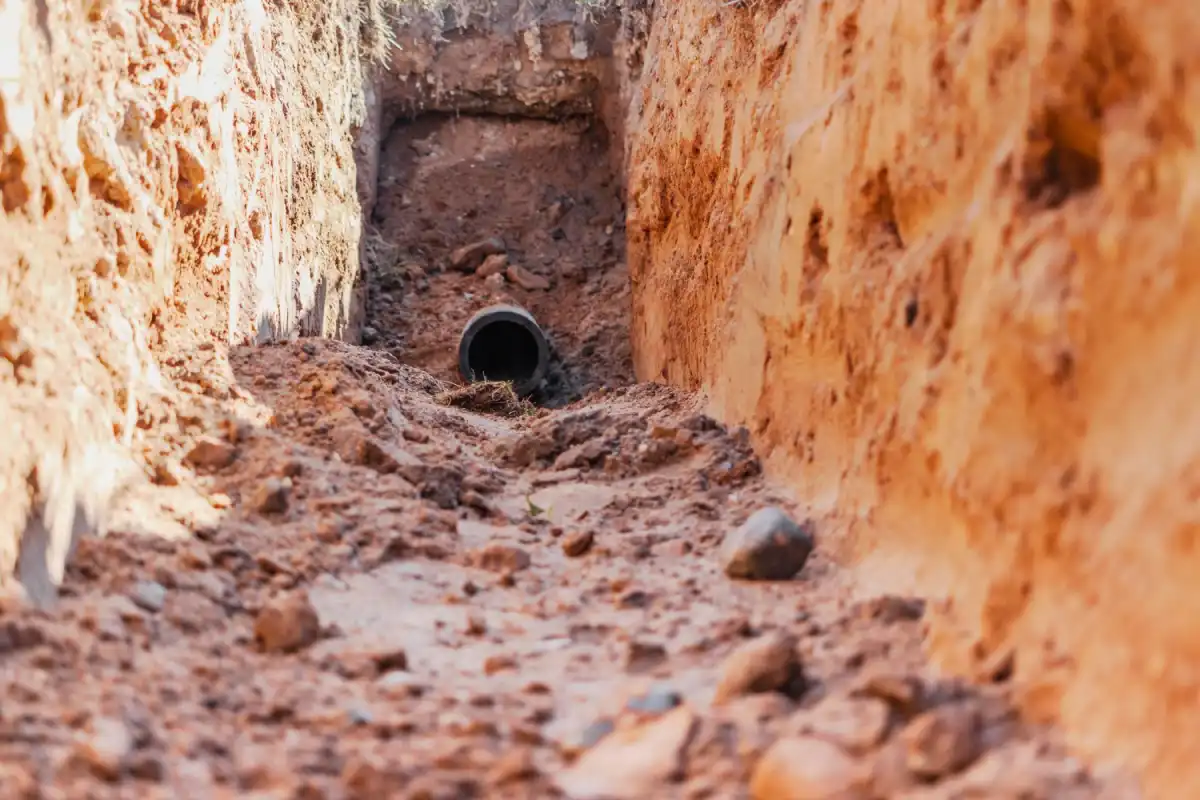
Definition of a trench
OSHA says a trench is a narrow hole dug below ground where the depth is more than the width. The bottom must be less than 15 feet across. Trenches have specific features that make them unique. They run long and narrow with the same depth from end to end.
Trenching vs. excavation
The difference between trenching and regular excavation helps you pick the right tools and methods. Trenches are excavations, but not every excavation counts as a trench. OSHA keeps it simple. They call excavation “any man-made cut, cavity, trench, or depression in the Earth’s surface formed by earth removal.” Trenching means digging narrow paths that are deeper than they are wide.
|
Purpose We use trenches mainly to create paths for utilities, pipelines, and drainage. Excavation serves broader needs like preparing sites, building foundations, or landscaping. |
Dimensions Trenches must be narrow (under 15 feet) and deeper than wide. Excavations can take any shape or size. |
Equipment Trenchers usually work faster than regular excavators because they remove just what’s needed and need less backfill! |
Excavation focuses on removing large amounts of soil to create open spaces for basements or reservoirs. AOS Rental has both trenchers and excavators, so you can get exactly what your project needs.
Why this difference matters for your project
This isn’t just about technical details. Knowing the difference affects your project’s safety and legal compliance.
Trenches can be dangerous. They might cave in without warning and cause serious harm or death. Soil type makes a big difference in how stable your trench will be. The soil can change even within one trench. The scariest part is that some trenches look perfectly safe for a long time before they suddenly collapse.
AOS Rental knows these differences matter. We’re here to help you choose the right approach and equipment. Our trenching equipment is never more than five years old, so you get reliable performance and stay safe while following all the rules.
Uses of Trenches in Construction and Landscaping
Trenches are the foundations of modern construction and infrastructure projects. They serve many important functions in different sectors. AOS Rental provides specialized trenching equipment that supports these varied applications.
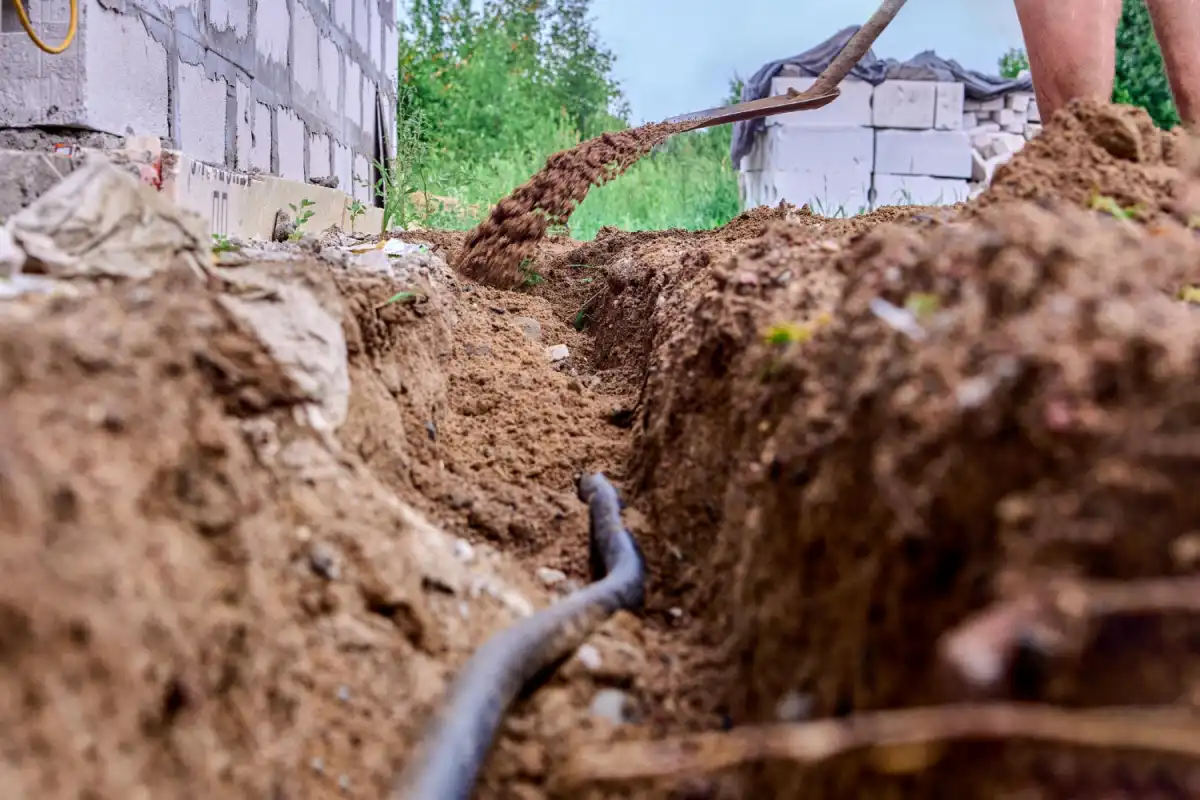
Residential trenching
Homeowners and residential contractors need trenching for three key installations. Irrigation systems need precisely dug trenches that are 8-12 inches deep. In freezing climates, these trenches go up to 18 inches deep. This depth protects sprinkler pipes from damage by lawn maintenance equipment.
Residential plumbing connections also depend on proper trenching. You need them to connect to municipal water systems and install septic lines. The right trench depth will protect your pipes and make them available for future maintenance.
The third use is for electrical and telecommunications installations. These utilities need protective pathways. A well-designed trench shields cables from environmental damage and keeps outdoor lighting and internet connections safe.
Commercial and municipal trenching applications
Municipal infrastructure projects come with some challenges. They need special skills and the right equipment. Most work happens in busy areas where keeping disruption low is important.
Commercial applications include installing city-wide utility networks including water, sewer, and electrical systems, developing drainage systems to prevent flooding in urban areas, and creating pathways for telecommunications infrastructure including fiber optic cables!
Types of Trenches and How to Choose the Right One
Choosing the right trench type plays a big role in how well your project goes. Your project’s soil conditions, location, and purpose will determine the best trench design. AOS Rental provides equipment that creates trenches of all types to match your specific needs.
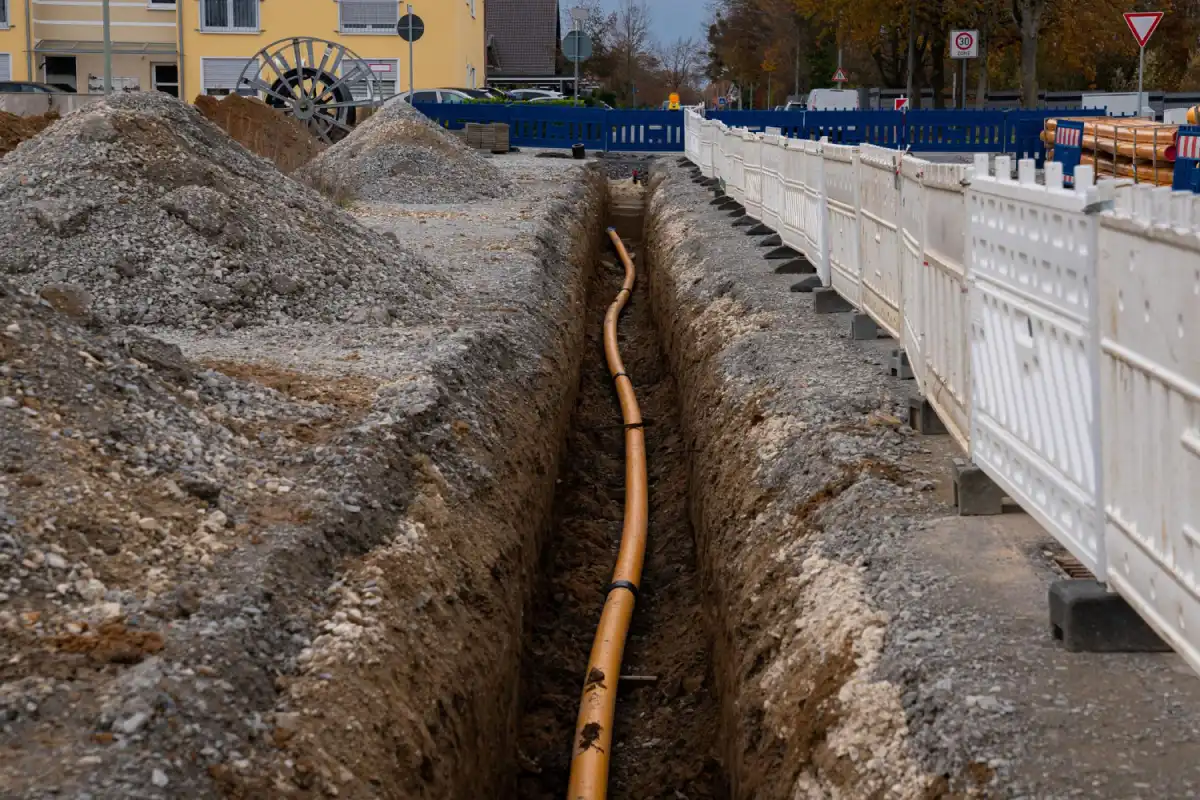
Straight trenches
Straight trenches have parallel sides at right angles to the base and create a uniform rectangular shape. Construction teams employ these trenches in areas with limited surface area, like near buildings or roadways.
Sloped trenches
Sloped trenches use angled sides that naturally prevent cave-ins. Trench depth, soil type, and duration determine the slope angle. Construction teams often choose these trenches to install large culverts or pipes on new construction sites where protective systems might not be easy to access.
Benched trenches
Benched trenches feature sides cut away to form steps, creating a stair-like pattern that boosts stability. Soil type determines these step heights, and less stable soils need shallower angles.
Bell-bottom pier holes
Bell-bottom pier holes have a distinctive shape with a narrow top and wider bottom, creating a bell-shaped profile. These trenches help install footings that support structural foundations.
Are You In Need Of A Trencher?
AOS Rental provides specialized trenching equipment that’s less than five years old to make sure you get reliable performance throughout your project. Our equipment has everything from mini-excavators perfect for residential work to advanced trenchers for complex commercial infrastructure development. Our team provides 24/7 support to help you pick the right equipment for your specific jobs.
Trench FAQs
What exactly is a trench in construction terms?
A trench is a narrow excavation in the ground that is deeper than it is wide, typically not exceeding 15 feet in width. It’s characterized by its long, narrow shape and consistent depth, designed for specific purposes in construction and infrastructure projects.
How does trenching differ from general excavation?
While all trenches are excavations, not all excavations are trenches. Trenching specifically creates narrow pathways with greater depth than width, primarily for utilities and pipelines. General excavation can be any size or shape and is used for broader applications like site preparation or foundations.
What are the main uses of trenches in residential settings?
In residential areas, trenches are commonly used for installing irrigation systems, plumbing connections, and laying electrical or telecommunications cables. These applications typically require trenches of varying depths to protect the installed components from damage and environmental factors.
What safety measures are required for trench work?
Safety is crucial in trenching. OSHA requires protective systems for trenches deeper than 5 feet, unless the excavation is entirely in stable rock. Trenches deeper than 4 feet must have safe access points like ladders or ramps, positioned no more than 25 feet from workers during active operations.
What are the different types of trenches and how do you choose the right one?
There are several types of trenches, including straight, sloped, benched, and bell-bottom pier holes. The choice depends on factors like soil conditions, location, and project purpose. Straight trenches are used in limited spaces, sloped trenches prevent cave-ins naturally, benched trenches enhance stability with step-like sides, and bell-bottom pier holes are used for structural foundations.