



Key Differences Between Backhoe and Mini Excavator
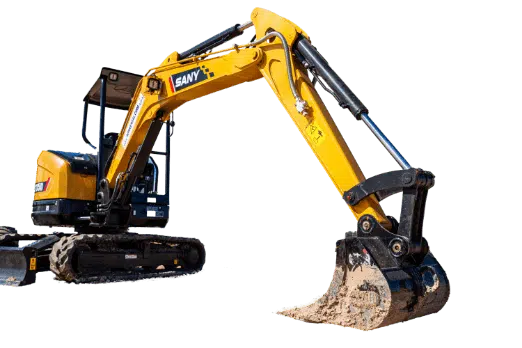
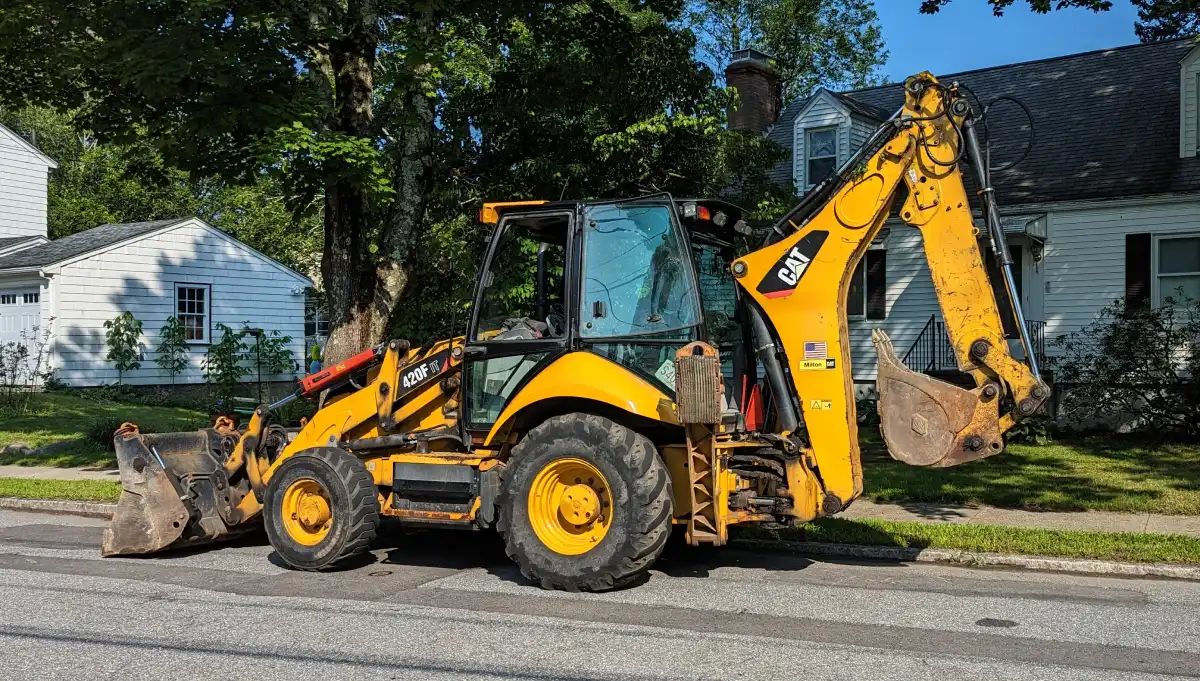
The main difference between backhoes and mini excavators is their design. Backhoes use a tractor base that combines a front loader bucket with a rear-mounted digging arm. This setup lets operators handle multiple tasks at once. Mini excavators, on the other hand, come with a single excavator arm that excels at precise digging work.
These machines differ in size and capabilities. A typical backhoe weighs between 15,000-16,000 pounds and digs to depths of 13-15 feet. Mini excavators are more versatile in size, ranging from 2,000 to 18,000 pounds based on the model. Many of these compact machines can dig surprisingly deep, reaching depths of 10-20 feet.
The rotation capabilities set these machines apart further. A backhoe’s rotation tops out at about 200 degrees, while mini excavators can turn a full 360 degrees. This range of motion lets operators work in any direction without moving the machine.
Each machine brings its own advantages to job site mobility. Backhoes run on wheels rather than tracks, so they can drive between sites at speeds up to 20 mph without a trailer. Mini excavators use tracks that work great on rough terrain, but they need transportation between job sites.
Both machines work with various attachments, though backhoes generally accept more tools. AOS Rental clients can pick the right machine by understanding these differences based on their specific project needs.
When to Use a Backhoe vs Mini Excavator
Your project’s requirements will determine which machine works best. Backhoes excel in landscaping, light construction, and farming applications where versatility is key. The combination of a front loader and rear digging arm makes them perfect for projects that need both material movement and excavation work.
Backhoes give operators significant advantages when working at multiple sites. They can travel between locations at speeds up to 20 mph without needing transport trailers. Their wheels also work great on paved surfaces and don’t leave marks like tracks would.
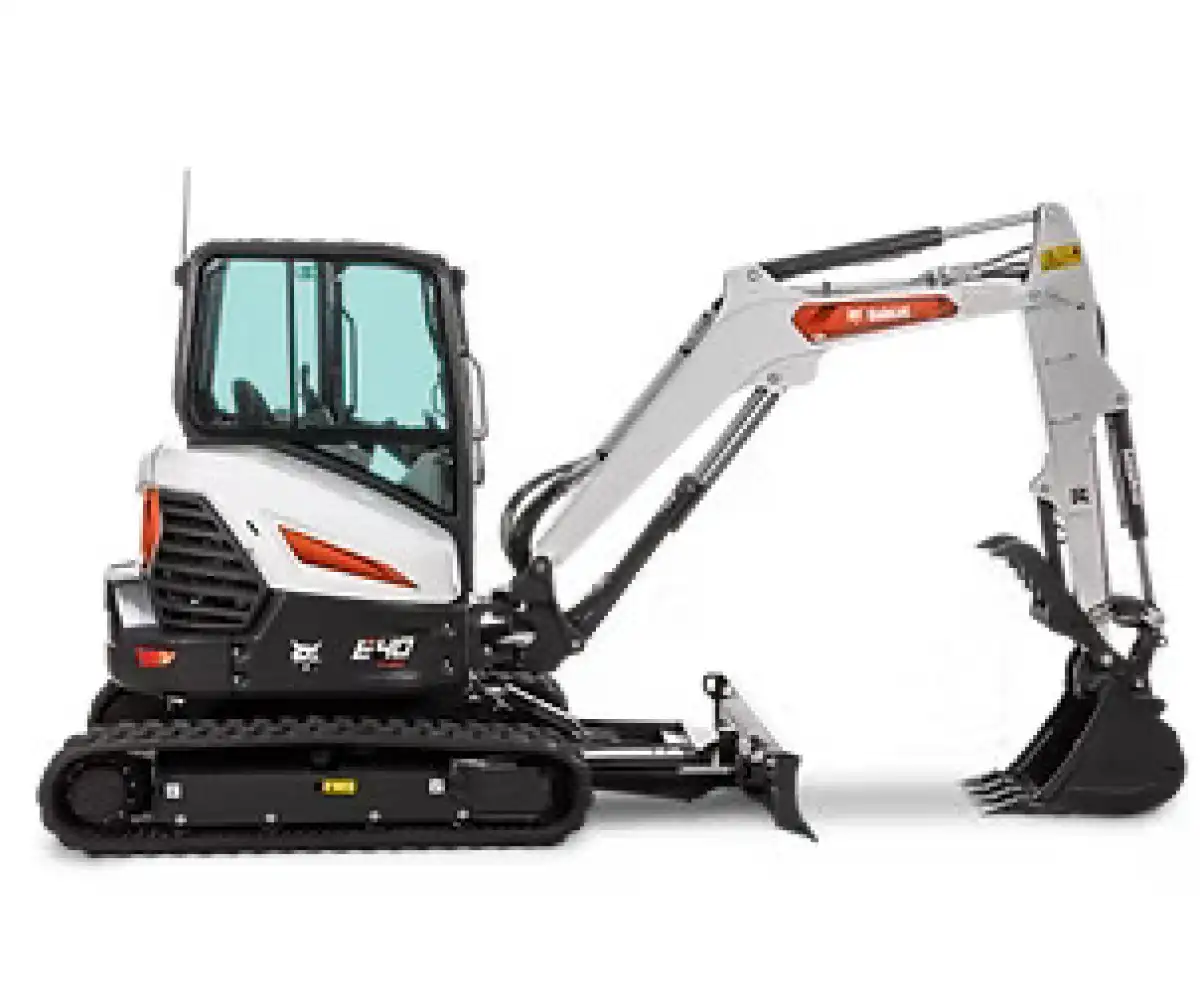
Mini excavators prove their worth when space is limited. These machines can fit through standard doorways and work in tight urban spaces. Residential projects benefit from mini excavators because they disturb less ground and run quieter.
Your terrain choice plays a role in picking the right equipment. Mini excavators with tracks give better stability and traction on sloped or slippery surfaces. This grip becomes vital for safety and efficiency during winter or rainy weather.
Mini excavators’ 360-degree rotation capability makes them ideal for precise digging tasks like post-holes, utility trenches, or swimming pool excavation. Projects that need substantial material movement with occasional digging would work better with a backhoe’s dual functionality.
AOS Rentals keeps both machines in their fleet, so customers can pick the perfect equipment for their specific project needs.
How to Choose the Right Machine
Picking the right equipment needs a full picture of several significant factors. Taking time to assess your options before buying or renting will save you money and help avoid problems down the line.
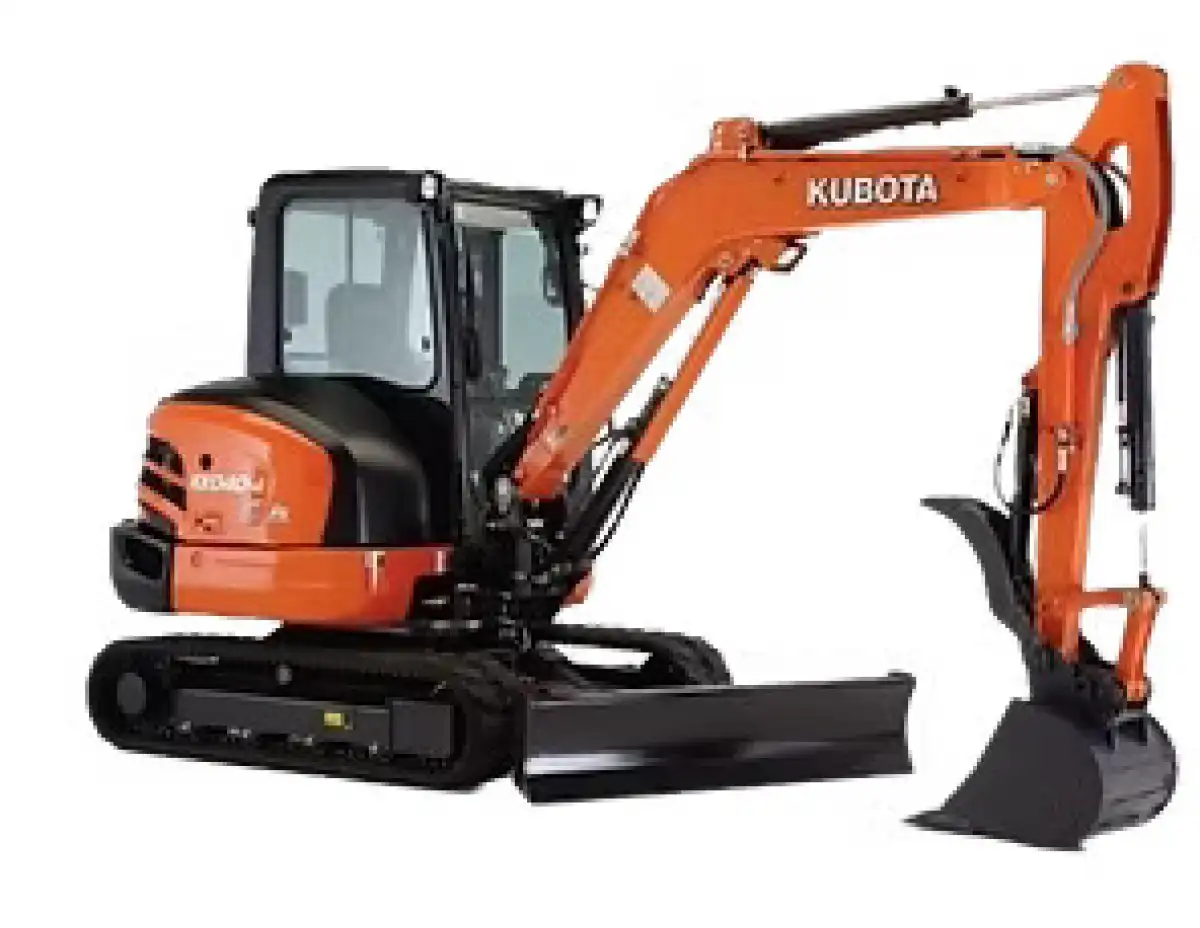
Big projects that need lots of earth moved work better with excavators. These machines give you more power and can dig faster. Backhoes shine best in small to medium jobs like fixing up farmland or maintaining infrastructure.
Your work site’s layout makes a big difference in what machine you should pick. Excavators work great in open spaces since they can turn all the way around without moving much. Tight spots and rough terrain are where backhoes excel because they’re smaller and more agile.
Here’s what to think about when you make your choice
-
Project Scale
-
Terrain Type
-
Transportation Needs
-
Task Requirements
Your machine’s size should match what you just need to get done
Tracks work better when the ground is soft or uneven
Backhoes can drive on roads up to 25 mph while excavators need to be hauled
Choose excavators for specific digging jobs; backhoes work better for varied tasks
The final decision comes down to your project’s specifics and budget limits.
Looking To Rent A Backhoe or Mini Excavator?
The right equipment choice for your construction project comes down to job needs and site conditions. Backhoes are amazing multi-taskers that can dig and move materials at the same time. These machines can travel between sites at speeds up to 20 mph, which makes them perfect for contractors who work at multiple locations. AOS Rentals keeps both types of machines ready in their fleet. Their experts will review your project details and help you pick the perfect machine. Whether you need a versatile backhoe or a precise mini excavator, working with an experienced rental company will give you the right tool for a successful job.
Backhoe Vs. Mini Excavator FAQs
Is a backhoe or a mini excavator more versatile?
A backhoe is generally considered more versatile due to its dual functionality. It combines a front loader bucket with a rear-mounted digging arm, allowing it to perform multiple tasks. However, mini excavators excel in precision digging and maneuverability in tight spaces.
How do the digging capabilities of backhoes and mini excavators compare?
Backhoes typically can dig to depths of 12 to 16 feet, with some models reaching up to 19.5 feet. Mini excavators, despite their smaller size, can achieve impressive digging depths of 10 to 20 feet, depending on the model.
What are the main advantages of a backhoe for farm use?
Backhoes offer several advantages for farm use, including faster travel speeds between work sites (up to 20 mph), the ability to carry more tools and materials, and versatility in performing both digging and material handling tasks. They’re also well-suited for projects like farmland renovation and infrastructure maintenance.
How do mini excavators perform on challenging terrain?
Mini excavators, particularly tracked models, provide superior stability and traction on sloped or slippery surfaces. This makes them especially useful during winter or rainy conditions, where enhanced grip is essential for safety and efficiency.
What factors should I consider when choosing between a backhoe and a mini excavator?
Key factors to consider include project scale, terrain type, transportation needs, and specific task requirements. Evaluate your project’s scope, existing equipment on site, mobility needs, and whether you need long-term or short-term use. For large-scale earthmoving, an excavator might be preferable, while backhoes excel in small to medium-sized projects requiring multiple functions.